
Combat Sports History
UFC Transformation: Regulation, Digital Growth & International Reach
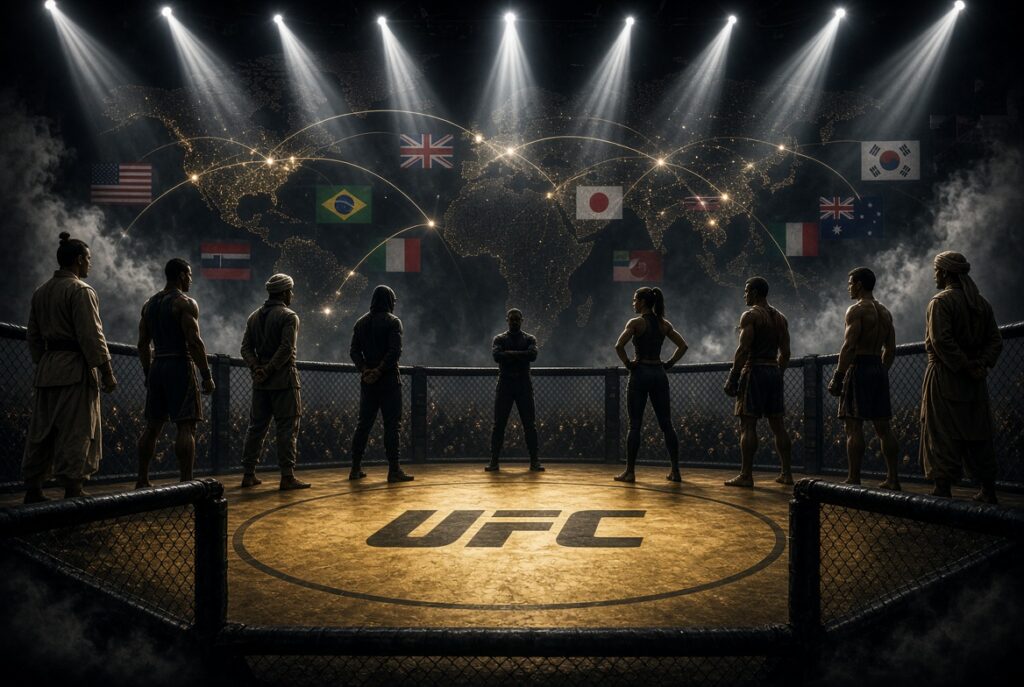
The remarkable transformation of the Ultimate Fighting Championship (UFC) from its origins in 1993 to its present status as a global powerhouse is a compelling narrative of evolution, strategy, and cultural integration. Initially designed as a no-holds-barred competition to identify the most effective martial art, the UFC has developed into a worldwide sensation, captivating millions of fans and fighters from diverse backgrounds. Let’s explore how the UFC has broadened its reach and cemented its position as a leading sports organization worldwide.
Early Days: A Niche Market
In its formative years, the UFC was marked by a raw, unregulated format. The inaugural event, UFC 1, featured fighters from various disciplines, such as boxing, Brazilian jiu-jitsu, and wrestling, competing with minimal rules. While thrilling, this format drew controversy and criticism, leading to legal challenges and restrictions in several states. At this stage, the focus was predominantly on the United States, with little consideration for international expansion.
Strategic Changes: Regulation and Mainstream Appeal
Realizing the need for long-term viability, the UFC underwent significant transformations in the early 2000s. Under the guidance of Dana White and the Fertitta brothers, the organization worked to create a regulatory framework. It adopted stricter rules, introduced weight classes, and emphasized fighter safety. These adjustments helped the UFC evolve from a marginalized sport into a more organized and viewer-friendly event.
The launch of the reality TV show The Ultimate Fighter in 2005 marked a pivotal moment. It provided fans with behind-the-scenes insights into fighters’ lives while highlighting their personalities and stories. This fusion of sports and entertainment captivated a wider audience, elevating the UFC’s profile significantly.
Global Expansion: International Events and Partnerships
As the UFC established its brand in the U.S., it began targeting international markets. In 2007, the organization held its first event outside the United States, achieving great success in the UK. This strategy of international expansion included collaborations with local promoters and the nurturing of talent in various regions.
Countries like Brazil, Canada, and the UK emerged as key markets, hosting major events and fostering local fighters. The UFC seized on the growing global interest in mixed martial arts (MMA), appealing to established fan bases in these regions. This approach not only attracted fighters from diverse backgrounds but also cultivated a dedicated following among international fans.
Digital Revolution: Social Media and Streaming
The advent of social media and digital streaming platforms has been instrumental in the UFC’s global outreach. Platforms like YouTube, Instagram, and Twitter have facilitated direct communication between fighters and fans, allowing for real-time interaction and engagement. This level of accessibility has made fighters more relatable and increased their popularity.
Additionally, the UFC’s partnership with ESPN and the launch of its streaming service, UFC Fight Pass, have made events more accessible to a global audience. With live streaming and on-demand content, fans around the world can watch fights, enabling the UFC to penetrate markets that were previously challenging to access.
Cultural Integration and Global Talent Pool
Another key factor in the UFC’s success is its ability to embrace cultural diversity and integrate international fighters into its roster. Athletes from countries such as Russia, Japan, and Ireland have risen to stardom, introducing their unique styles and narratives to the octagon. The UFC has effectively marketed these fighters, appealing to their home countries and fostering a sense of global unity among fans.
The rise of Conor McGregor exemplifies this strategy. His charismatic persona and fighting style attracted a massive following, especially in Ireland, and contributed to the sport’s popularity in Europe. Similarly, stars like Amanda Nunes and Khabib Nurmagomedov have helped expand the UFC’s appeal in Latin America and Eastern Europe, respectively.
Conclusion: A Global Sporting Powerhouse
The UFC’s evolution from a controversial niche sport to a globally recognized brand is a testament to its adaptability and strategic foresight. By embracing regulation, fostering international partnerships, leveraging digital platforms, and celebrating cultural diversity, the UFC has established itself as a leader in the sports world. As it continues to expand its reach, the future looks promising for the UFC, with the potential to engage even more fans and fighters worldwide.
In the years ahead, the UFC will likely encounter challenges, but its current trajectory indicates it will remain a dominant force in mixed martial arts, inspiring a new generation of fighters and fans across the globe.