
how to guide, info guide
Exploring the Differences Between MMA Gloves and Boxing Gloves
When it comes to combat sports, selecting the right gloves can greatly influence performance, safety, and the overall experience. MMA (Mixed Martial Arts) and boxing are two widely practiced disciplines, each requiring specialized gloves tailored to their specific needs. Here’s a look at the key differences between MMA gloves and boxing gloves.
Design and Structure
MMA Gloves
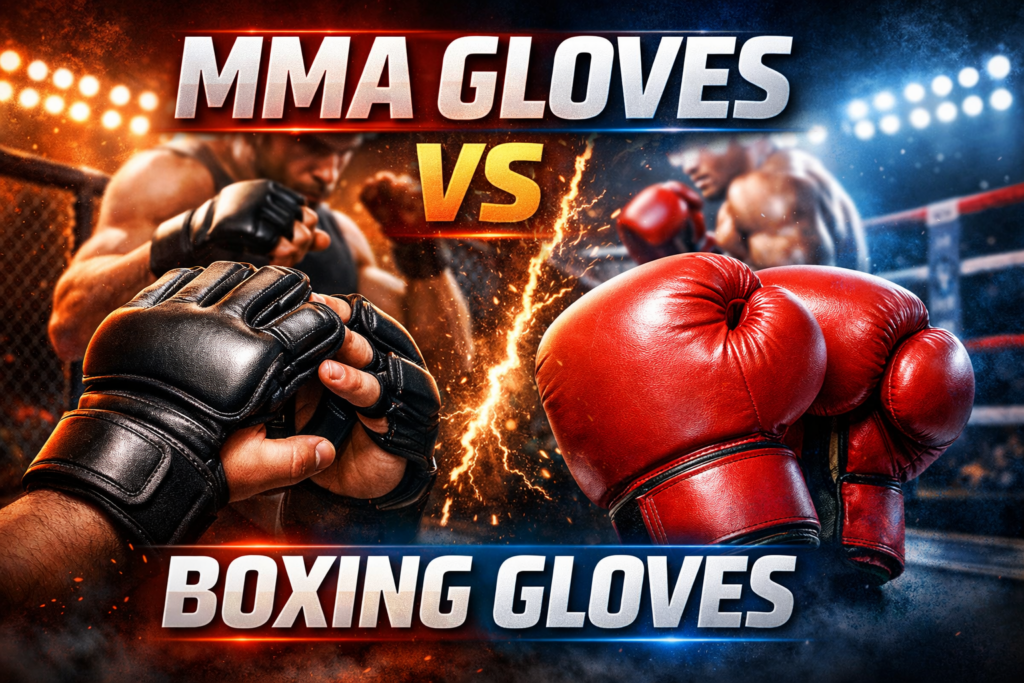
- Open-Finger Design: MMA gloves typically feature an open-finger style, allowing fighters to grip, grapple, and execute submissions effectively. This design is crucial in a sport that incorporates both striking and grappling techniques.
- Less Padding: The padding in MMA gloves is generally thinner than that of boxing gloves, prioritizing finger mobility and hand movement over extensive protection. While the knuckles receive some cushioning, the rest of the hand remains more exposed to facilitate movement.
Boxing Gloves
- Closed-Finger Design: Boxing gloves are designed with a closed-finger style, providing protection for the entire hand. This design is vital for absorbing impact and safeguarding the fighter’s hands during extended bouts.
- Thicker Padding: Boxing gloves feature significantly more padding, especially around the knuckles. This extra cushioning is designed to absorb blows and minimize the risk of injury to both the wearer and their opponent.
Purpose and Usage
MMA Gloves
- Versatility: MMA gloves are crafted for multi-faceted combat, allowing fighters to strike with punches, kicks, elbows, and knees, as well as engage in grappling. This versatility demands a design that supports a wide range of movements.
- Training and Competition: Used in both training and competitive settings, MMA gloves are particularly favored for sparring and grappling drills where finger mobility is crucial.
Boxing Gloves
- Focus on Striking: Designed specifically for striking, boxing gloves are perfect for traditional boxing matches. Their emphasis is on delivering powerful punches while minimizing hand injury risks.
- Training Variants: Boxers use various glove types for training, such as sparring gloves and bag gloves, each offering different levels of protection and weight.
Weight and Size
MMA Gloves
- Lighter Weight: Generally lighter, MMA gloves range from 4 to 7 ounces. This lightweight design enhances mobility and speed, which are essential in MMA.
- Size Variability: While there are standard sizes available, MMA gloves can vary in fit to accommodate different hand sizes, ensuring a snug fit for optimal performance.
Boxing Gloves
- Heavier Options: Boxing gloves usually weigh between 8 to 20 ounces, depending on their intended use (training or competition). Heavier gloves provide more padding but may slow down punches.
- Standardized Sizing: Boxing gloves come in standard sizes based on the boxer’s weight, assisting in the selection of appropriate gloves for both training and competition.
Conclusion
In conclusion, the main differences between MMA gloves and boxing gloves revolve around their design, purpose, padding, and weight. MMA gloves emphasize dexterity and versatility for grappling and striking, while boxing gloves focus on protection and power for effective punching. Choosing the right glove is crucial for enhancing performance and ensuring safety, whether in training or competition. Understanding these distinctions will help fighters select the best gear for their specific needs and disciplines.
Have you tried either type of glove? What features do you consider most important?